
OSO Spotless cleaning guide
Inside Oven and Refrigerator Cleaning: A Safe Preparation Guide
Appliance interiors need dedicated time and preparation. Emptying food and cookware, identifying specialty coatings, and selecting the extra before the appointment protects both the schedule and the appliance.
Published 2026-08-01 · By OSO Spotless Cleaning Service
Prepare the refrigerator safely
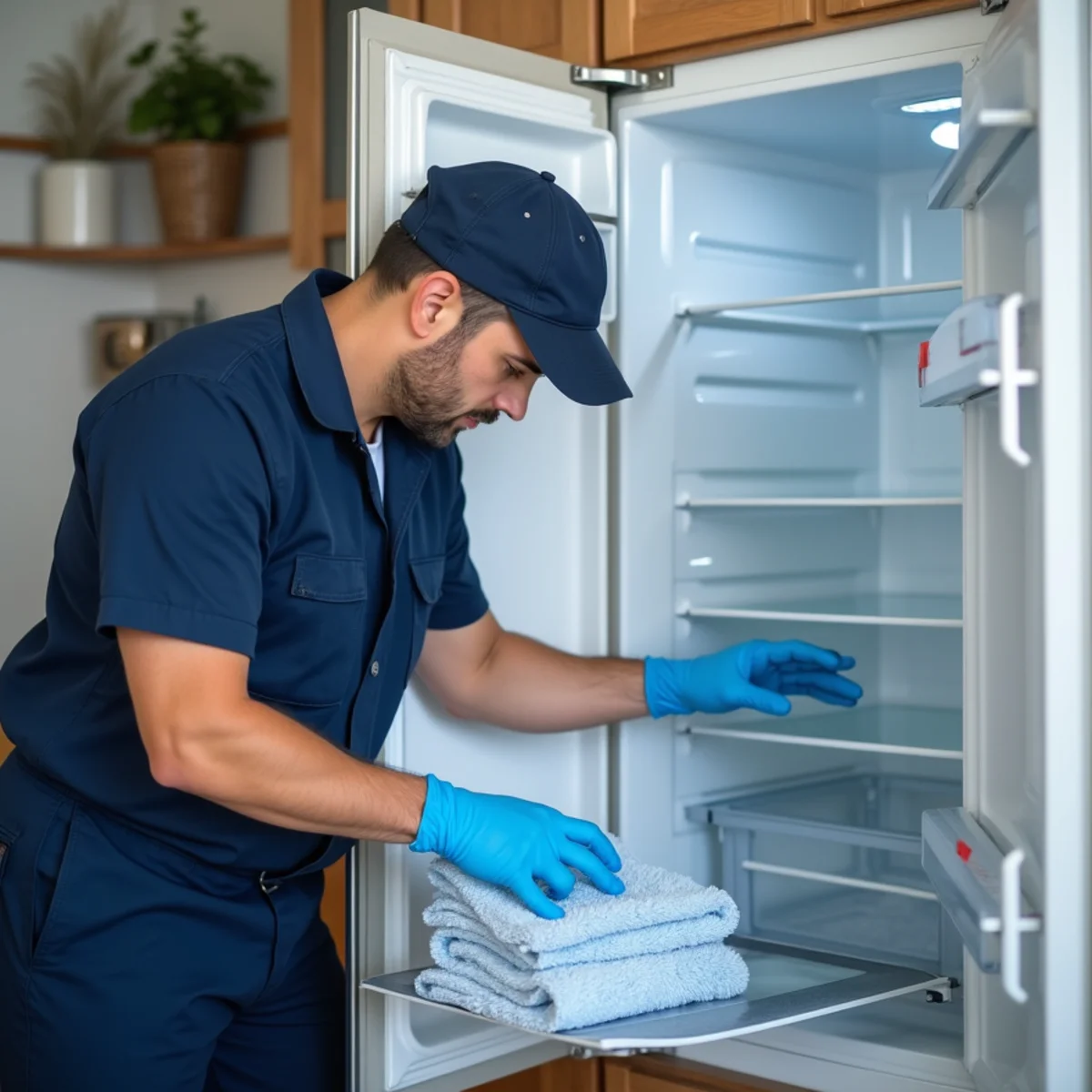
Move food, medicine, and personal items to safe storage. Remove loose liners and point out cracked drawers or shelves before they are handled.
If unplugging is necessary, follow manufacturer instructions. The customer remains responsible for food temperature and safety.
- Empty all food and medication
- Use a cooler if needed
- Remove loose liners
- Identify damaged parts
- Keep product manuals available
Prepare the oven
Remove cookware and loose objects. Identify self-clean surfaces, catalytic panels, aluminum components, and any manufacturer restrictions.
Do not run a high-heat self-clean cycle immediately before service. The appliance must be cool and safe to touch.
Understand what cleaning can change
Cleaning can remove accessible residue and spills, but permanent stains, carbonized buildup, damaged coatings, scratches, and odors from mechanical problems may remain.
Appliance cleaning is not repair. Leaks, failing seals, electrical problems, and drainage odors need a qualified technician.
- Residue and spills
- Shelves, drawers, and racks
- Accessible interior surfaces
- Not mechanical repair
- Not guaranteed stain removal
Select enough time
Inside oven and refrigerator work is separate from an exterior wipe during standard cleaning. Add it during booking, especially for moves, deep cleans, and rental turnovers.
Accurate condition notes help the estimate. An emptied, cooled, accessible appliance is faster and safer than one that still contains food or cookware.
Plan the restart, reload, and repair boundary
Before service, decide who will disconnect and restart the refrigerator if the manufacturer requires it, and how food will remain safely stored. After cleaning, verify that removable shelves and drawers are dry, correctly seated, and undamaged before reloading. The client remains responsible for food decisions, temperature control, medication storage, and following the appliance manual. Do not place food against a surface that still needs the label-required rinse or drying step.
Interior cleaning does not include pulling out a heavy refrigerator or range, cleaning energized coils, dismantling doors, clearing internal drains, replacing filters or seals, repairing a latch, or diagnosing cooling, electrical, gas, ignition, smoke, or odor problems. Report cracked glass, damaged coatings, loose racks, leaks, or persistent odor before work continues. A qualified appliance technician—not additional scrubbing—should handle mechanical faults and disassembly.
- Assign disconnect and restart responsibility
- Keep food and medication under safe household control
- Dry and reseat removable parts before reloading
- Do not move or dismantle heavy appliances
- Escalate leaks, faults, damaged coatings, and persistent odors
Turn this guide into a useful cleaning plan
Start by walking through the property with this specific topic in mind: oven and refrigerator cleaning guide. Write down the rooms, surfaces, access limits, and current condition that relate to the problem. Separate cleaning tasks from repairs, restoration, property management, moving labor, or unsafe high access. That distinction keeps the appointment focused and prevents a general cleaning visit from being assigned work that needs another qualified provider.
Next, choose the service level from the condition you see, not from the price or shortest appointment alone. A maintained surface needs a different scope from months of buildup, a vacant turnover, or renovation residue. List optional work—such as appliance interiors, cabinets, drawers, or reachable interior windows—before booking. Extras consume real time, and asking for them at the door can force the cleaner to leave another priority unfinished.
Prepare the property by clearing loose items, securing valuables, identifying fragile or specialty materials, and arranging pets. In a New York building, confirm the buzzer, floor, doorman, key, service entrance, elevator, and vendor requirements. Leave a working contact and a backup entry method. The cleanest checklist in the world cannot recover an appointment delayed in the lobby.
After service, review the agreed scope in good light and report concerns specifically. Name the room and surface, then share a photo when helpful. Useful feedback gives the team a fair opportunity to address the issue under the satisfaction policy. For recurring care, adjust the frequency before buildup returns and update priorities when seasons, occupancy, pets, work schedules, or property use change.
Related professional cleaning services
Explore local cleaning pages
Continue with related cleaning guides
Get a plan for your space
Good cleaning starts with the correct scope. Share the property type, condition, priorities, access, and preferred schedule with OSO Spotless. The team will help match your needs to the appropriate service rather than forcing your home into a generic checklist.